Life Skills

The part school leaves out. A steady big brother or big sister who role-models positive behaviour and prepares children for both their personal and their career life — helping them build strong family, friend, and professional relationships. It’s socialization and communication, empathy, knowing yourself, and self-care, practiced with one familiar adult, week after week.

“Your assistant comes to your home — or you can drop your child off at the assistant’s place. Many families do a mix of both.”Whether an assistant opens their own home for sessions depends on the assistant — you’ll always know upfront.

Activities and Outings

A lot of the growth happens out in the real world — doing real things together, not sitting at a table.

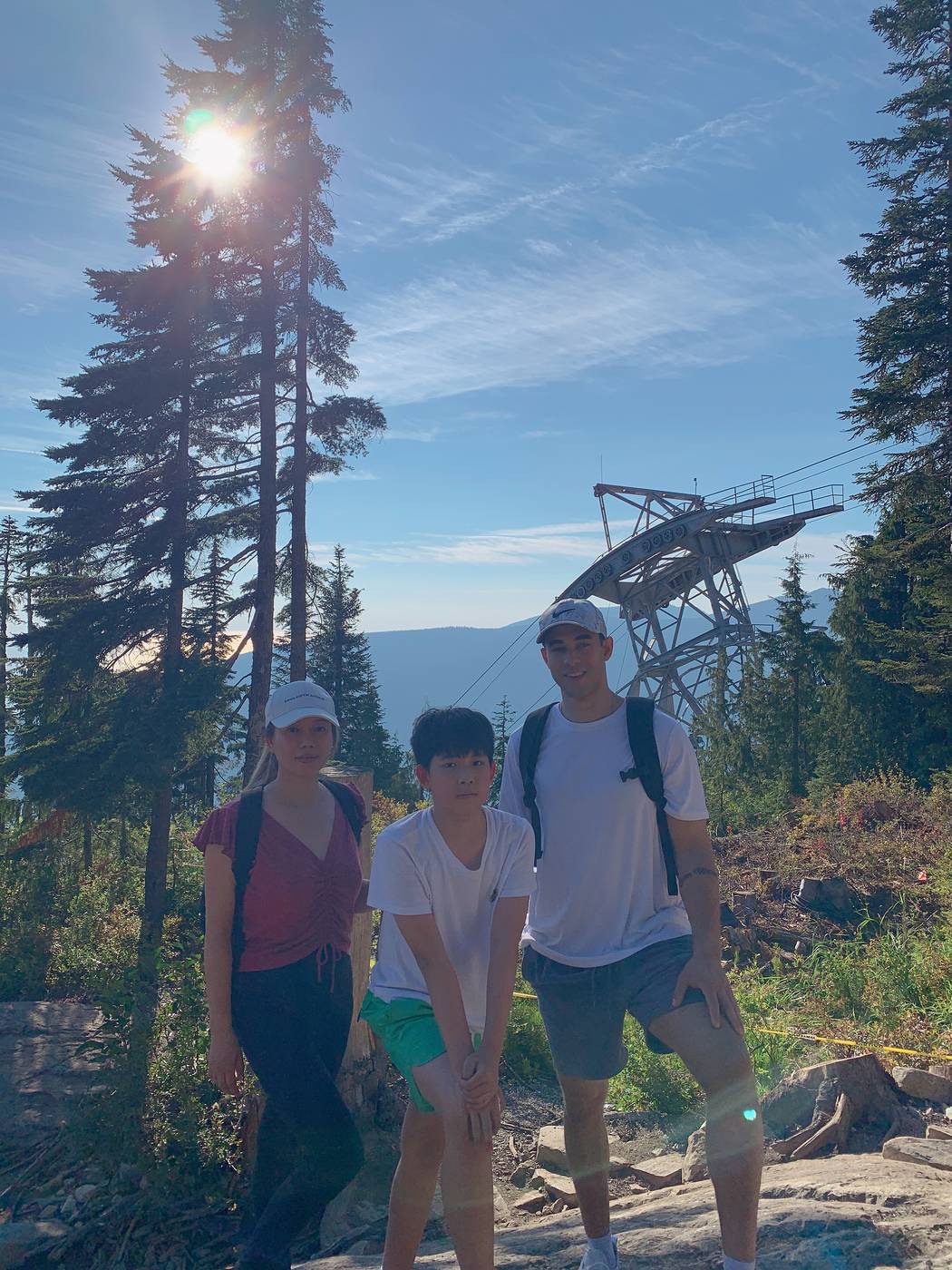
  • Out and about — parks, sports, events, and everyday outings; there’s a whole map of places we go together.
  • Soft skills, for real — making friends, reading a room, holding a conversation, handling a group.
  • Hard skills, for real — ordering food, paying, taking transit, and finding their way somewhere new.
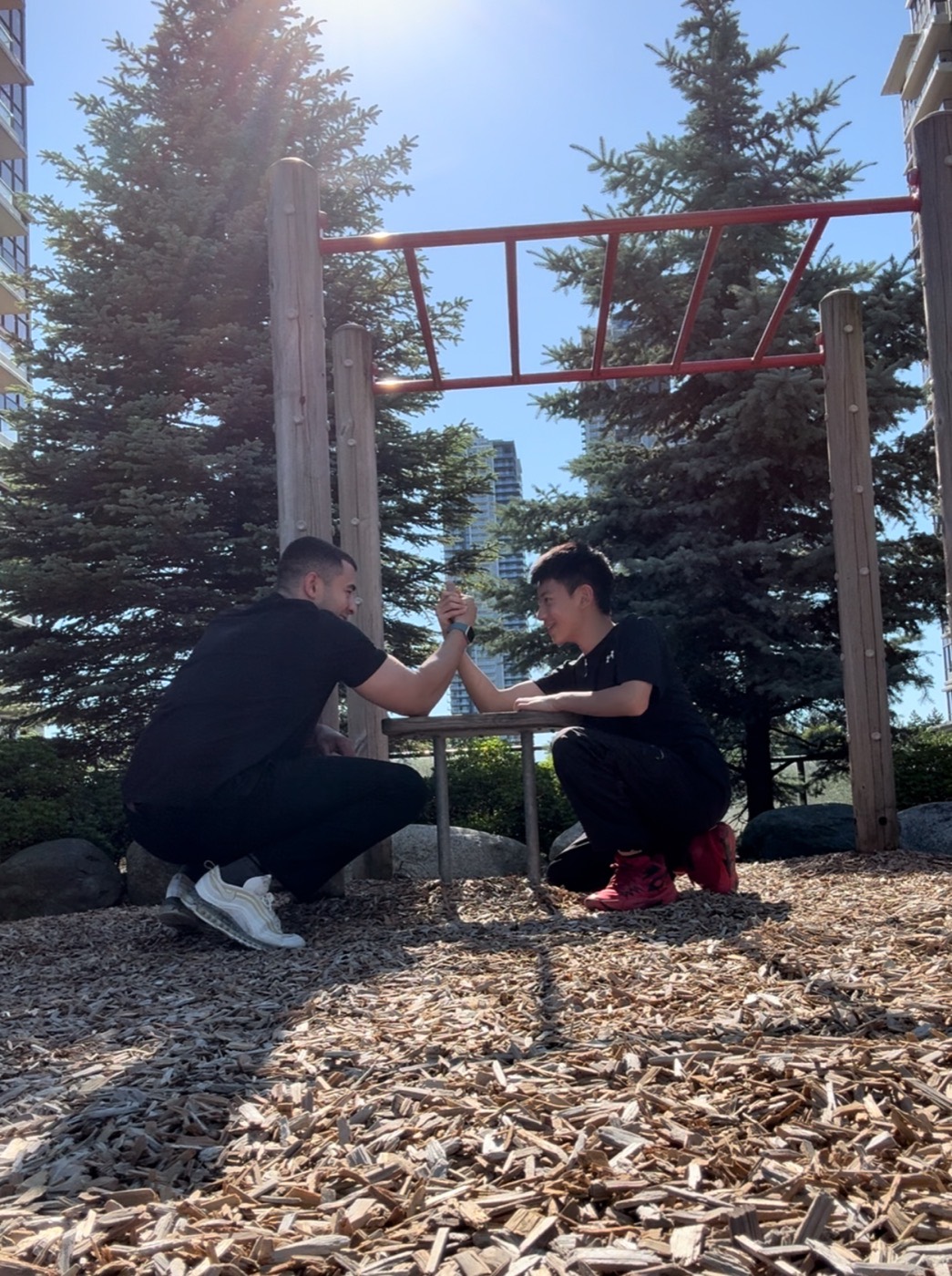
  • Play and sport — moving, teaming up, and having something to look forward to each week.
  • Kids and adults — whoever the assistant is paired with, out doing things that actually matter.

Socialization and Communication

Learning to talk to people — practiced out in the real world, not from a worksheet.

  • Real conversations, real places — ordering at a counter, asking a question, holding their own in a group, practiced out in the community week after week.
  • Reading the room — body language, tone, and knowing what to say (and when to listen) with different people.
  • A safe person to try it with — the assistant role-models it first, then steps back as the client takes the lead.
  • For kids, teens, and young adults — paced to where they are, whether that’s making a first friend or handling a first interview.
A young client out at the community fair

Confidence, Trust and Friendship

Built with one familiar adult over months — not a rotating cast of strangers.

  • The same face every week — trust compounds when it’s the same person, not someone new each time. That familiarity is the whole method.
  • A real friendship first — coffee runs, parks, outings, just hanging out. The big-brother, big-sister kind of relationship, not a transaction.
  • Healthy relationships, modeled — what respect, boundaries, and being a good friend actually look like, shown day to day.
  • Confidence that carries over — once they trust the person, the harder stuff — speaking up, trying, failing, trying again — stops being scary.

Self-Care and Knowing Yourself

The routines and self-awareness that adulthood quietly runs on.

  • Daily routines that stick — sleep, hygiene, screens, and the small habits that hold a good day together.
  • Knowing their own mind — naming what they feel, what they’re good at, and what they actually want out of life.
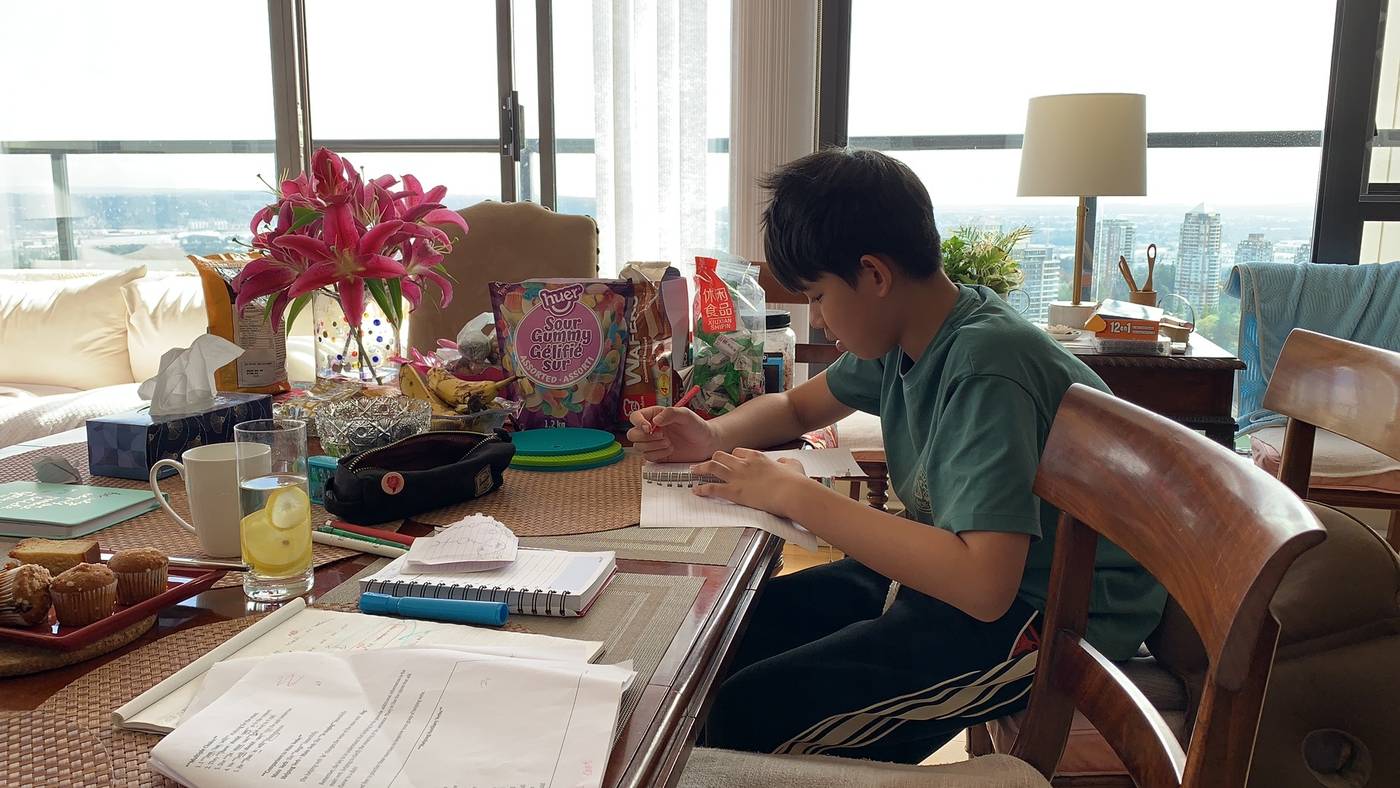
  • Time management — planning a week, keeping commitments, and not leaving everything to the last minute.
  • A steady support through the hard patches — someone consistent in their corner, especially for teens and young adults finding their footing.

Independence and Everyday Adulting

The real-world skills that let them handle life on their own.

  • Money basics — budgeting, a bank card, paying for things, and not being caught off guard by adult life.
  • Cooking and getting around — a few meals they can actually make, plus riding transit and navigating the city solo.
  • Running a household — laundry, groceries, keeping a space livable. Taught properly, so it is theirs for good — an Assistant shows them how, rather than doing it for them.
  • Appointments and paperwork — booking, showing up, and handling the small admin that adulthood is full of.
  • First jobs and next steps — finding part-time work, building a resume, and getting ready for school, work, and what comes after.
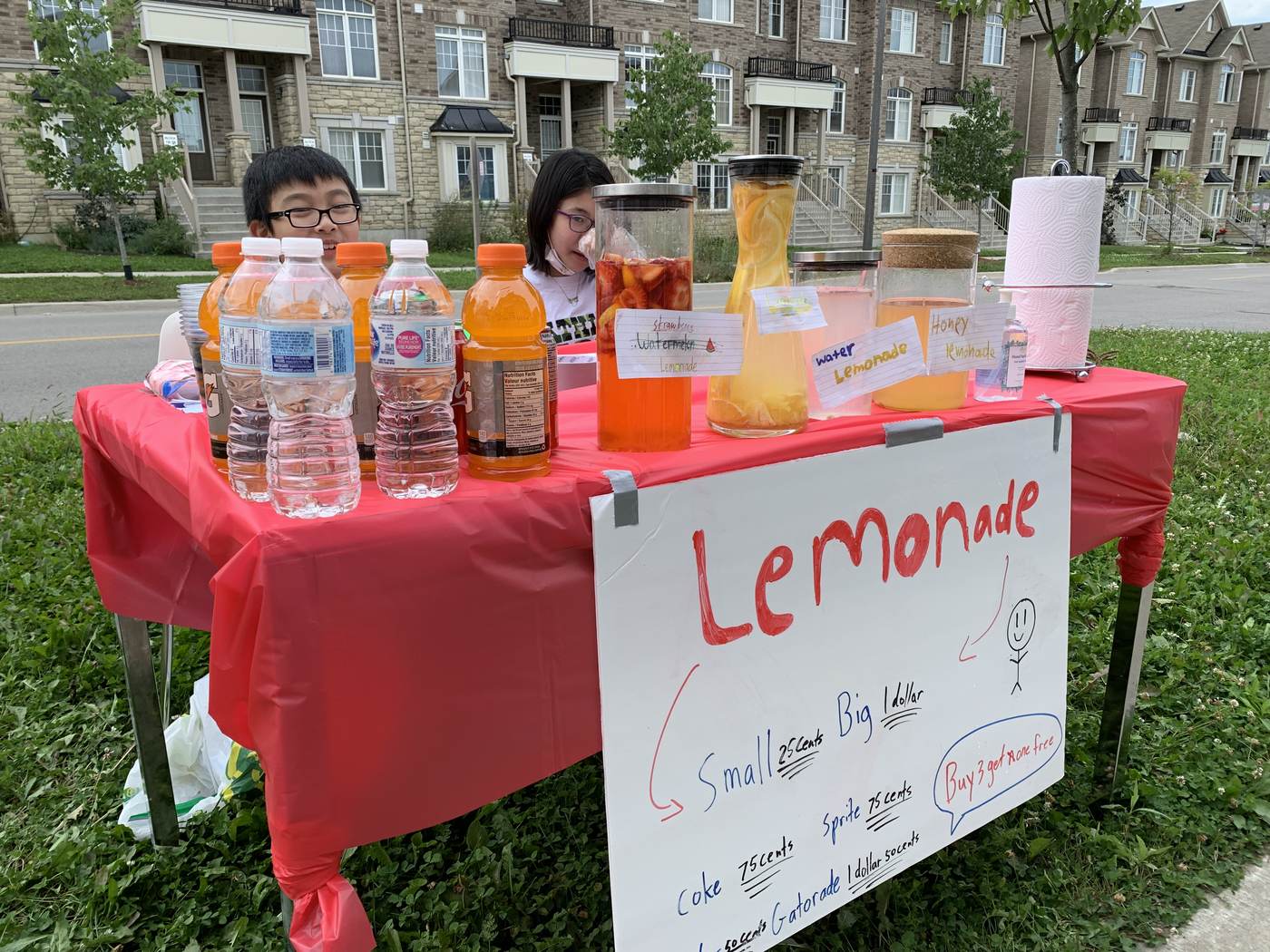
Kids running their own lemonade stand

Life Skills Complement Study Sessions

The trust built through life skills is exactly what makes study sessions work — they show up for someone they know and like.

  • Feelings, worked through — over time they open up, name what they feel, and learn to handle it, with someone they trust.
  • A friend, not just a teacher — because you do real things together, they don’t see study time as a chore.
  • They follow direction — that same trust means they stay with it when it’s time to sit down and work.
  • It carries into school — the bond built here is exactly what makes the Private Education support actually land.

The everyday adulting we practice.

Making a friend

How to meet people and keep a friendship going.

Handling money

Budgeting, a bank card, and paying your own way.

Cooking a few meals

Simple food they can actually make themselves.

Riding transit

Getting across the city on their own, safely.

Booking appointments

Making the call, showing up, following through.

A first job

Resume, interview, and finding part-time work.

A weekly routine

Sleep, planning, and keeping their commitments.

Speaking up

Confidence to ask, answer, and hold their own.

Good to know: The best results come from long-term familiarity. Trust and comfort don’t build overnight — but as the same mentor shows up week after week, children begin to mirror the good habits they see, and slowly open up: how they really feel about family, friends, and life. In time your child gains a big brother or big sister they genuinely trust (and if you’d like to stay in the loop, we can share what matters). This isn’t fast — and that’s exactly why it works.

One person. Everything else.

Want to raise a capable, confident kid?

Request an Introduction

Every assistant covers Education, Life Skills, Childcare and Personal Support — you never pick just one, and there’s no extra fee per area. Each family draws on the mix they actually need.